According to World Health Organization estimates, a significant proportion of adults experience reproductive challenges during their reproductive years. In-vitro fertilization (IVF) is an established assisted reproductive technology (ART) utilized when couples encounter conception difficulties related to female factor, male factor, or unexplained subfertility. Timely clinical evaluation, accurate diagnosis, and evidence-based reproductive care assist patients in navigating these medical pathways.
Dr. Shefali Bansal Madhav practices as a reproductive medicine specialist in Siliguri, focusing on evidence-based protocols, advanced ART techniques, and individualized treatment planning. Her clinical approach emphasizes detailed patient counseling, structured clinical safety, and ethical medical standards, supporting patients through transparent and informed care.

Postgraduate Institute of Medical Education and Research (PGIMER), Chandigarh
ICOG, FOGSI, Mumbai
Contributions to Assisted Reproductive Technology Literature





Dr. Shefali Bansal Madhav is a fertility specialist in reproductive medicine. Her clinical practice incorporates patient-centric care and evidence-based medical protocols. She has completed specialized training through established medical institutions in India and possesses extensive clinical experience in evaluating and managing male and female subfertility.
Her areas of clinical focus encompass IVF, IUI, ICSI, ovulation induction, and advanced assisted reproductive technologies (ART). Her professional scope addresses female reproductive challenges, male factor subfertility, unexplained infertility, and recurrent implantation failures. Treatment plans are customized following comprehensive assessments of hormonal profiles, ovarian reserve, gamete parameters, and uterine health, ensuring individualized medical care.
Alongside clinical practice, Dr. Shefali Bansal Madhav contributes to academic medicine in reproductive health, including co-authoring chapters on superovulation protocols and Ovarian Hyperstimulation Syndrome (OHSS) management in professional medical texts. Her practice emphasizes transparent clinical communication, structured counseling, and ethical medical standards, supporting patients seeking fertility care in Siliguri.
Know MoreFertility care services provided by Dr. Shefali Bansal Madhav are structured around individual patient indications to address conception difficulties. The initial clinical phase involves detailed fertility assessments and diagnostic counseling to identify underlying etiological factors. Following accurate diagnosis, customized treatment pathways are formulated, incorporating ART procedures such as IVF, IUI, or ICSI, alongside supportive clinical options such as egg donation or fertility preservation when medically indicated.
Clinical management utilizes advanced laboratory protocols and modern embryology equipment. Procedures such as laser-assisted hatching, blastocyst culture, transvaginal ultrasound imaging, and embryo evaluation are integrated into treatment workflows to support clinical care. The combination of structured protocols and ethical standards ensures comprehensive fertility management tailored to individual needs.
Overview of fertility care services offered:
 In-Vitro Fertilisation (IVF)
Assisted reproductive technology procedure involving extracorporeal fertilization of oocytes with spermatozoa in an embryology laboratory, followed by uterine embryo transfer.
 Intrauterine Insemination (IUI)
A clinical fertility treatment involving the direct placement of prepared, washed spermatozoa into the uterine cavity around the time of ovulation.
 Intracytoplasmic sperm injection (ICSI)
An advanced ART technique where a single selected spermatozoon is microinjected directly into a mature oocyte under laboratory conditions to address severe male factor subfertility.
 Egg Donation
An assisted reproductive procedure utilizing oocytes provided by a screened donor, fertilized in the laboratory, and transferred into the prepared recipient uterus.
 Recurrent Pregnancy Loss
Comprehensive diagnostic evaluation and clinical management for patients experiencing repeated pregnancy losses associated with etiological factors.
 Male infertility
Diagnostic assessment and management of physiological, environmental, and pathological factors impairing male reproductive function.
 Blastocyst culture
Extended in vitro incubation of embryos to day 5 or 6 of development prior to uterine transfer, supporting physiological embryo selection.
 Endometrial Receptivity Assay
A specialized molecular diagnostic test designed to evaluate endometrial gene expression and identify personalized embryo transfer timing.
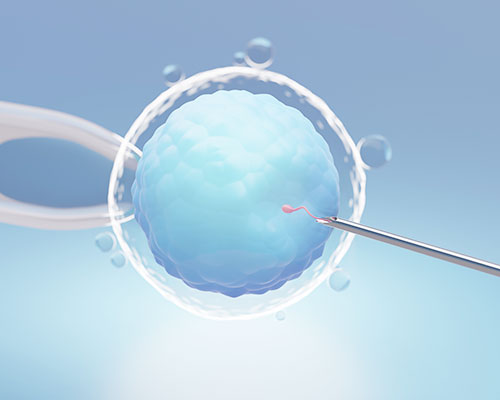 Laser Hatching
Precision laser technology utilized during ART cycles to create a micro-opening in the embryonic zona pellucida to assist implantation.
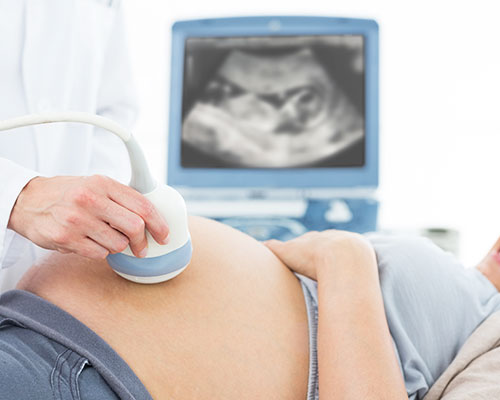 Follicular monitoring
Serial transvaginal ultrasound scans and hormonal assessments tracking ovarian follicular growth and endometrial development during treatment cycles.
 Transvaginal ultrasound
High-resolution imaging procedure utilizing high-frequency sound waves via a vaginal probe to evaluate pelvic and reproductive anatomy.
Reproductive health evaluations indicate that subfertility involves both female and male reproductive factors. Epidemiological data highlight that male and female factors contribute comparably to couple subfertility evaluations. Identifying underlying etiological factors is essential for determining appropriate clinical management pathways. Patients navigating reproductive challenges benefit from comprehensive diagnostic evaluations and timely access to assisted reproductive technologies such as IVF.
Structured clinical protocols focus on individualized patient care to support reproductive health goals.
Female subfertility is clinically defined by the inability to achieve pregnancy after 12 months of regular, unprotected intercourse (or 6 months when female age is 35 years or older). Contributing physiological and pathological factors include:
Male subfertility encompasses physiological, environmental, and pathological conditions that impair male reproductive function and impact conception parameters. Common contributing factors include:
In vitro fertilization (IVF) is an established assisted reproductive technology procedure involving extracorporeal fertilization of oocytes with spermatozoa in a specialized laboratory environment. Clinical protocols are structured to provide evidence-based care while supporting patient well-being throughout treatment.
A systematic clinical workflow ensures transparency, structured care, and individualized patient management. Dr. Shefali Bansal Madhav implements a structured clinical protocol encompassing the following stages:

Comprehensive initial consultation involving detailed medical history review and diagnostic counseling, allowing for the formulation of an individualized treatment plan based on specific patient indications.

Administration of monitored hormonal medications to stimulate multi-follicular development and oocyte maturation. Patients are monitored for potential side effects such as abdominal fullness or mild discomfort.
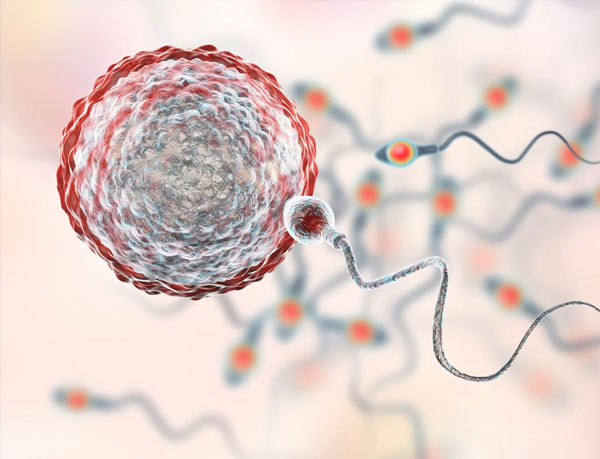
Transvaginal ultrasound-guided oocyte retrieval performed under appropriate sedation or anesthesia, followed by insemination or microinjection with prepared spermatozoa in the embryology laboratory.

Extended in vitro incubation of embryos within controlled incubator environments, utilizing advanced laboratory techniques such as blastocyst culture to support embryonic evaluation and selection.

Transfer of a selected embryo into the uterine cavity via a fine catheter. Following transfer, specialized luteal phase support and follow-up care are maintained during the post-transfer period.

Quantitative serum beta-hCG testing performed approximately 12 to 15 days following embryo transfer to evaluate clinical pregnancy outcomes, guiding subsequent antenatal or clinical management steps.
Financial considerations related to assisted reproductive technologies (ART) involve multiple variable factors, as treatment protocols are tailored to individual clinical requirements. While standard assisted reproduction packages encompass fundamental clinical procedures, comprehensive treatment planning depends on specific diagnostic findings.
Clinical consultations at the practice of Dr. Shefali Bansal Madhav provide transparent protocol breakdowns, covering initial diagnostic evaluations, laboratory fertilization, and embryo transfer, with supplementary interventions incorporated as medically indicated by individual patient health parameters.
Overview of estimated procedural fee ranges:
| Treatment Component | Estimated Cost Range |
|---|---|
| Standard IVF Cycle Protocol | INR 100,000 - INR 200,000 |
| Intracytoplasmic Sperm Injection (ICSI) | INR 15,000 - INR 30,000 |
| Specialized Genetic Testing | INR 40,000 - INR 60,000 |
| Embryo Cryopreservation | INR 20,000 - INR 30,000 |
| Frozen Embryo Transfer (FET) Protocol | INR 35,000 - INR 50,000 |
Note: The fee ranges provided represent general estimates. Final treatment protocols and associated financial requirements are determined following comprehensive clinical consultation.
Assisted reproductive technology requires specialized clinical training, precision, and individualized medical judgment. Because fertility care is not standardized across patients, thorough diagnostic evaluations form the foundation of effective clinical management.
Evaluating fertility specialist qualifications involves assessing professional credentials, clinical training, and adherence to evidence-based medical standards. Dr. Shefali Bansal Madhav maintains a clinical practice focused on structured evaluations and individualized medical care based on the following principles:

Following her MBBS, Dr. Shefali Bansal Madhav completed an MD in Obstetrics & Gynaecology, followed by fellowship training in Reproductive Technology and Infertility from ICOG and FOGSI, Mumbai. Her academic training supports evidence-based practice and individualized patient care in reproductive medicine.
Clinical practice emphasizes detailed and transparent patient counseling, assisting patients in understanding treatment protocols and clinical expectations. Transparent communication regarding diagnostic findings and procedural workflows supports informed patient decision-making in accordance with medical ethics.
Treatment pathways are customized following comprehensive evaluations of ovarian reserve, gamete parameters, hormonal profiles, and uterine factors, ensuring individualized clinical management rather than standardized protocols.
Clinical evaluations address both female and male reproductive factors within structured treatment plans. Conditions such as PCOS, male factor subfertility, and endometriosis are managed under professional medical protocols with strict patient confidentiality.
Experience in evaluating and managing complex clinical presentations, including prior assisted reproductive treatment failures. Practice standards are anchored in structured clinical evaluation and evidence-based care, maintaining a professional resource for fertility management in Siliguri.
These educational video resources provide medical information and awareness regarding reproductive health, etiological factors, and clinical treatment procedures, supporting informed patient decision-making.
Yes. Subfertility can occur in women in their twenties or thirties due to various etiological factors, including tubal pathology, endometriosis, polycystic ovary syndrome (PCOS), endocrine imbalances, or genetic factors. Timely clinical diagnosis and appropriate intervention assist in managing these conditions.
Dr. Shefali Bansal Madhav maintains a patient-centric, evidence-based clinical practice in reproductive medicine, emphasizing thorough diagnostic evaluations, structured counseling, and individualized treatment protocols.
Assisted reproductive procedures utilize advanced clinical techniques and anesthesia/sedation during oocyte retrieval to ensure patient comfort. Controlled ovarian stimulation and injections may cause mild, temporary physical sensations or transient abdominal fullness.
Assisted reproductive outcomes are influenced by multiple clinical variables, notably maternal age, baseline ovarian reserve, gamete parameters, underlying etiological factors, and laboratory protocol standards.
A standard IVF cycle typically ranges from 4 to 6 weeks, encompassing controlled ovarian stimulation, transvaginal oocyte retrieval, laboratory fertilization, blastocyst culture, and embryo transfer, subject to individual protocol adjustments.
Hormonal medications administered during controlled ovarian stimulation may result in temporary side effects such as mild bloating, pelvic discomfort, or mood fluctuations, which are closely monitored by clinical staff.
No medical or reproductive treatment can guarantee a successful pregnancy. While IVF is an advanced assisted reproductive technology designed to support conception, outcomes depend on individual physiological parameters.
Selecting a qualified reproductive specialist involves evaluating professional credentials, fellowship training, clinical experience in assisted reproduction, and adherence to transparent, ethical medical standards.
Advanced maternal age is associated with gradual reductions in quantitative ovarian reserve and oocyte quality. Timely consultation assists patients in exploring appropriate reproductive options.
Continuous clinical monitoring during controlled ovarian stimulation allows specialists to adjust medication dosages, supporting patient safety and minimizing potential adverse effects.
While some patients achieve clinical pregnancy during an initial treatment cycle, others may require subsequent cycles depending on individual diagnostic findings and response to ovarian stimulation.
Yes. Assisted reproductive procedures performed under established medical standards and professional supervision are structured to ensure patient safety and perinatal health.
Male factor subfertility is evaluated via semen analysis and diagnostic testing, and managed using advanced ART protocols such as Intracytoplasmic Sperm Injection (ICSI) when indicated.
Maintaining a balanced diet, achieving an optimal Body Mass Index (BMI), avoiding tobacco use, and limiting alcohol consumption support general well-being and metabolic health during reproductive evaluations.
Assisted reproductive outcome parameters vary across clinical cohorts based on maternal age, diagnostic indications, and protocol specifics, and are evaluated individually during consultation.
Clinical practice guidelines include transparent counseling regarding procedural requirements, treatment steps, and associated protocol investments to assist patients in informed planning.